Oct 20, 2026Buying Guides
Laser Anti-Drone System: How It Works and How to Choose One
How a laser anti-drone system works, 3/10/20 kW power levels compared, pros, weather limits, and a 5-step guide to choosing the right system for your site.
Test Heading Two
Paragraph text here.
- bullet one
- bullet twoAmong all counter-drone technologies, the laser anti-drone system stands out for one reason: it turns a brutally modern problem — "how do we stop cheap drones without going bankrupt?" — into an engineering answer with near-zero cost per shot.
This article explains how a laser anti-drone system works, what the power levels mean (3 kW / 10 kW / 20 kW), and how to evaluate one for your site.
How a Laser Anti-Drone System Works
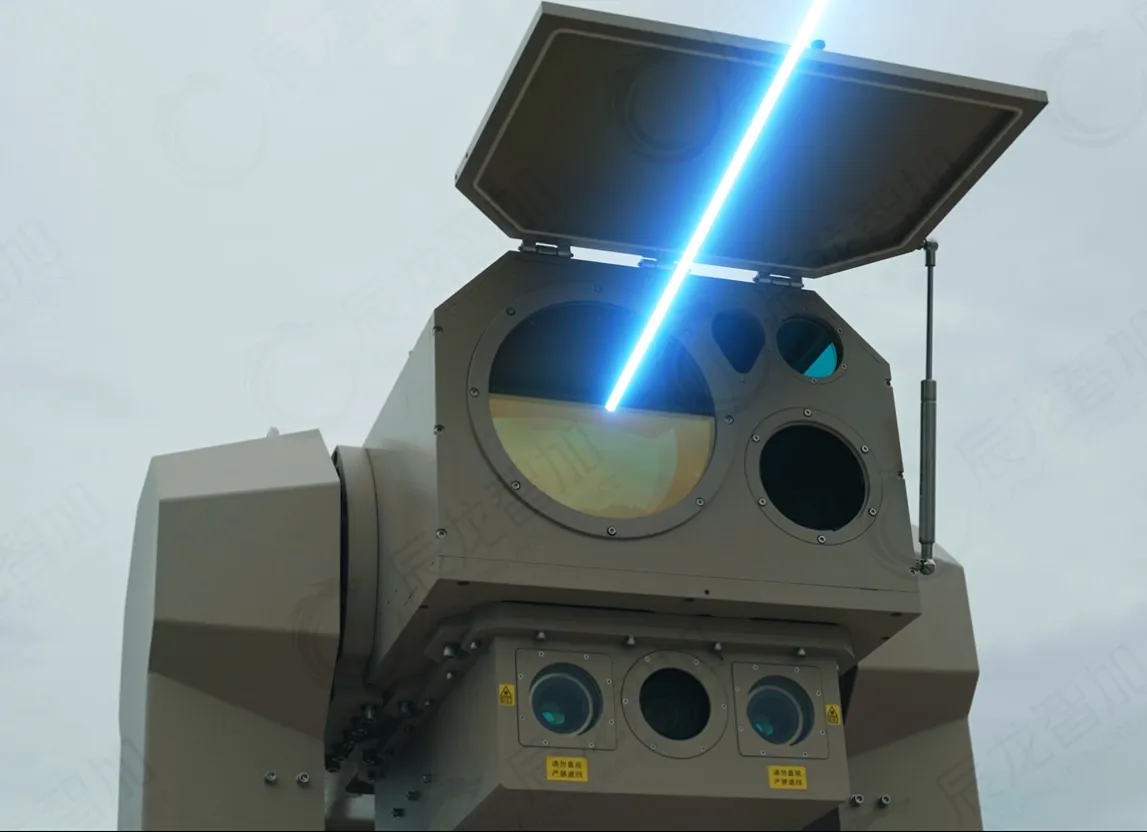
A laser anti-drone system combines three core elements:
- High-energy laser source — generates a focused beam of light with enough energy to damage a drone's critical components (motors, battery, sensors, airframe).
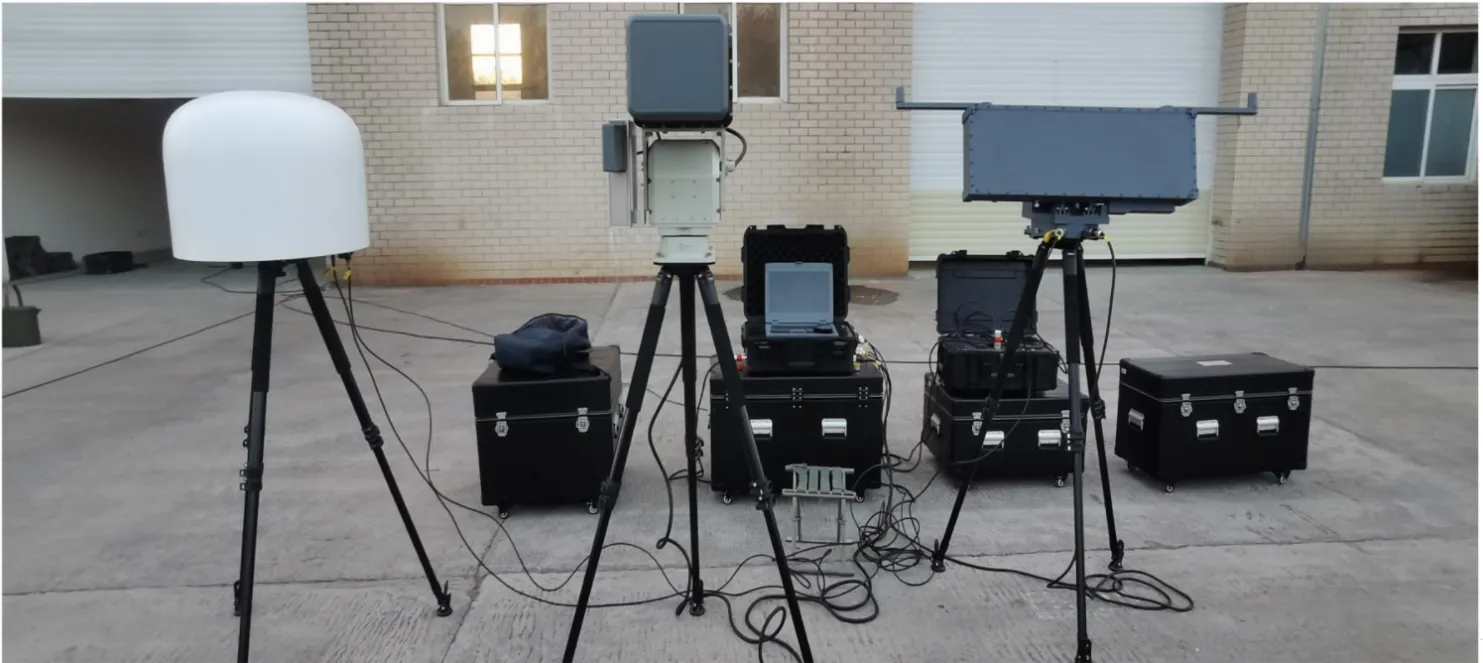
- Radar + electro-optical (EO) tracking — finds the target at long range and locks the beam onto it with high precision, day and night.
- AI command-and-control (C²) terminal — coordinates the engagement chain: detect → identify → lock → neutralize.
The engagement is fast and decisive: once locked, the high-energy beam heats and destroys the target within seconds. Because the beam travels at the speed of light, there is no flight time, no lead calculation, and no interception geometry to solve.
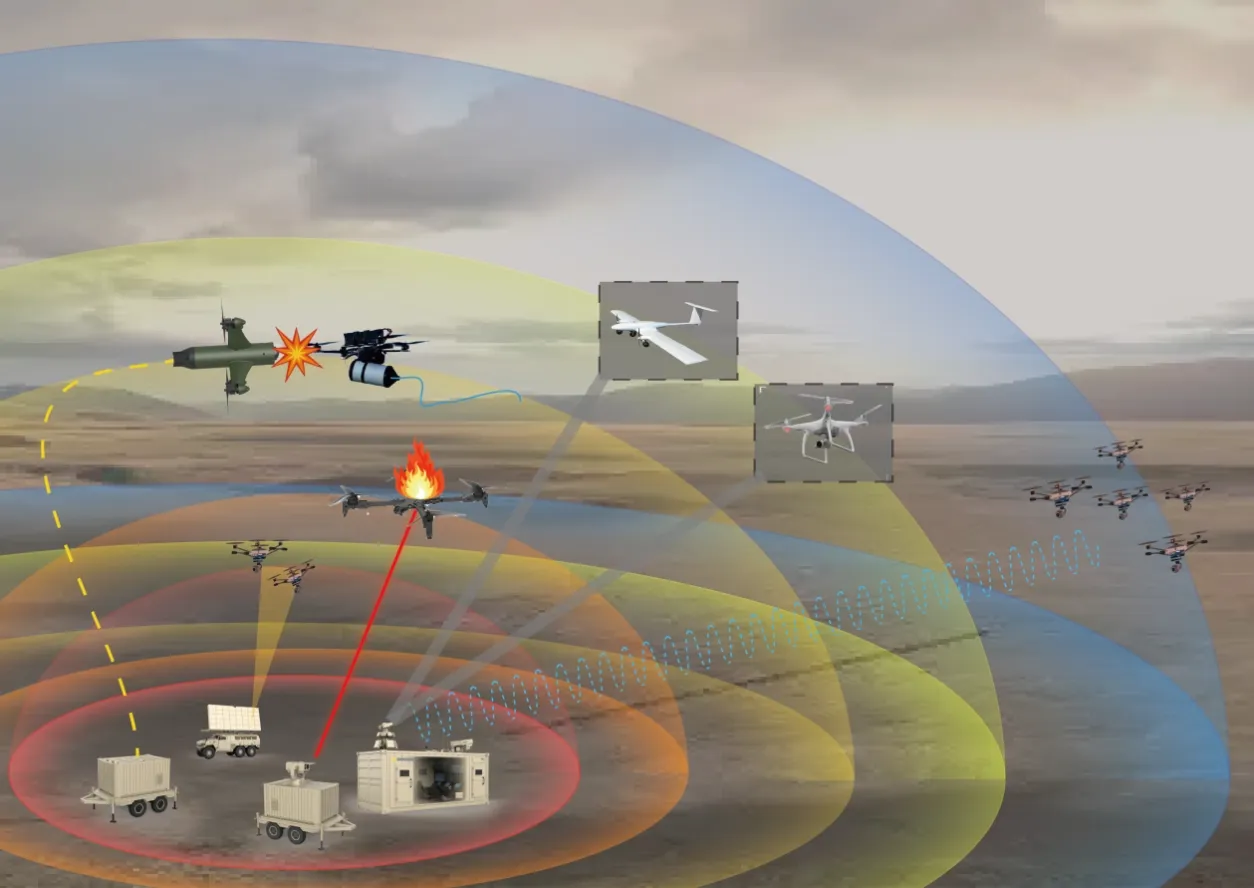
For how radar, radio-frequency detection, jammers and lasers work together as one layered counter-UAS (C-UAS) architecture, see our guide: How the Anti-Drone System Works Together.
What Do Power Levels 3 kW, 10 kW and 20 kW Mean?
Laser power determines engagement range and kill speed. Chenlong's laser anti-drone product line covers the mainstream defense grades:
- 3 kW — Point defense of smaller sites; rapid destruction of consumer and small drones. Best suited for buildings, compounds and temporary events.
- 10 kW — Extended range and faster kill on larger targets. Best suited for airports, secure military and government installations, and refineries.
- 20 kW — Long-range, high-threat defense, including faster targets. Best suited for critical national infrastructure and large perimeters.
Higher power generally means: longer effective range, shorter time-to-kill, and better performance against larger or faster-flying UAVs.
The Five Advantages of Laser Counter-Drone Systems
- Near-zero cost per shot. Essentially the only consumable is electricity. Repeated intrusion attempts cost amps, not ammunition.
- Nearly silent and precise. The beam causes no explosion and no fragmentation — minimal collateral risk near runways, crowds or sensitive assets.
- Speed-of-light engagement. Instant hit once the target is locked; no interception geometry to compute.
- Deep magazine / continuous operation. A laser can engage target after target as long as power and cooling allow — a meaningful advantage against drone swarms.
- Integration with detection systems. The system links to radar and electro-optical tracking for fully automatic detect-to-engage chains.
What Are the Limitations?
Honesty matters in defense procurement. Laser systems:
- Need line of sight to the target — terrain and buildings matter;
- Degrade in heavy rain, fog, smoke or dust — visibility affects beam efficiency;
- Require dwell time — fast, aggressively maneuvering small drones are harder to kill than slow-hovering drones.
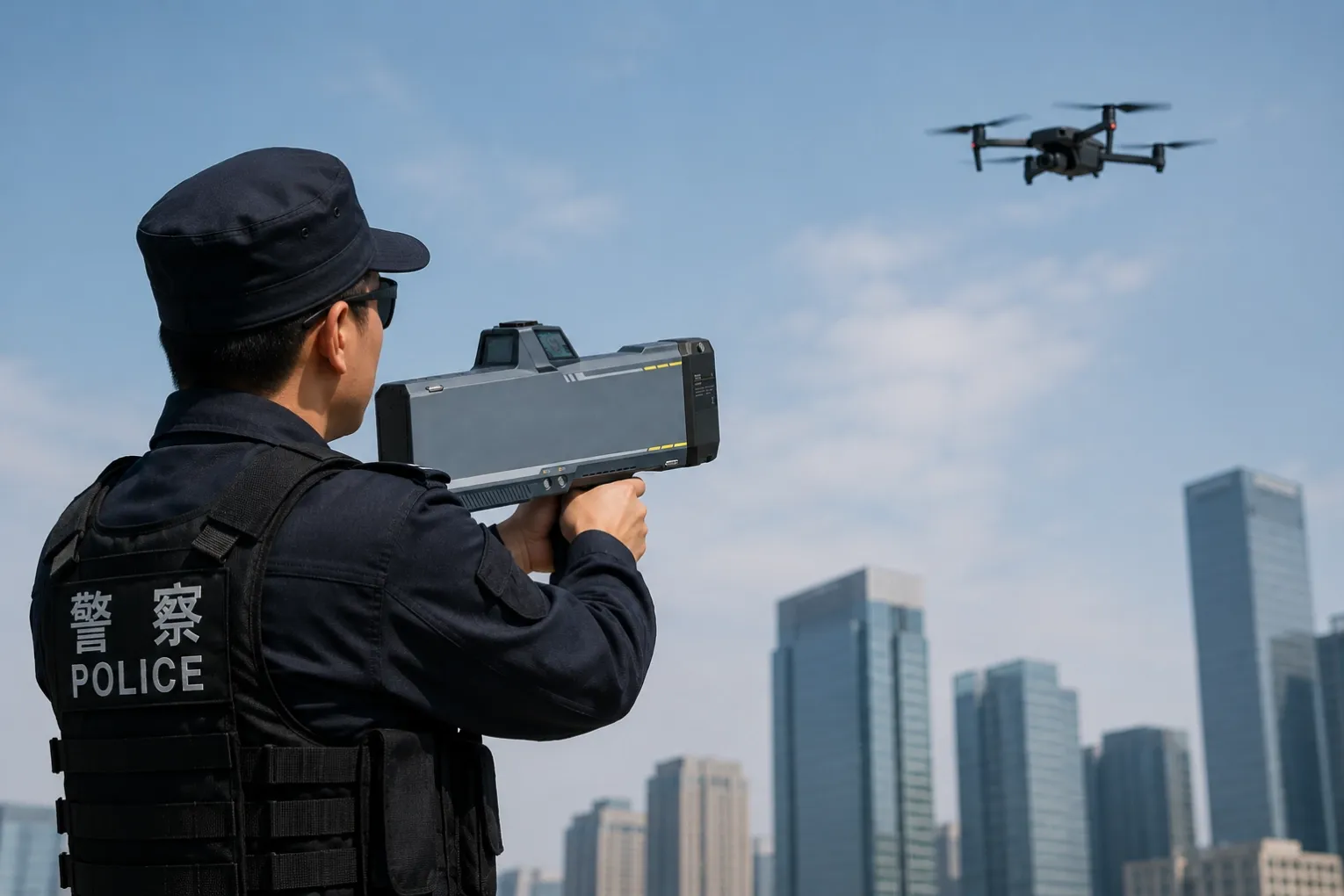
That is why professional deployments use layered architecture: radar + EO/IR for all-weather detection, jammers and handheld counter-drone guns for soft-kill response, and the laser as the decisive hard-kill layer in the inner zone.
How to Choose a Laser Anti-Drone System
- Define your threat radius. Map the protected area; pick the power level whose effective range covers your inner defense zone with margin.
- Check the tracking chain. The system is only as good as its sensors — verify radar integration and EO/IR tracking quality.
- Evaluate total cost of ownership. Laser systems have a higher upfront cost but near-zero per-engagement cost — ideal for sites with frequent intrusion attempts.
- Plan for weather. In low-visibility climates, combine the laser with jammers so you always have a response option.
- Verify compliance. Directed-energy systems are export-controlled; purchase through authorized channels with proper documentation. All Chenlong international sales are conducted in accordance with applicable Chinese and destination-country export control regulations, and supplied only to vetted, eligible buyers.
FAQ
How far can a laser anti-drone system engage?
Engagement range depends on laser power, optics and weather — from hundreds of meters for compact systems to several kilometers for high-power units. Range quoted by suppliers is usually for clear-weather conditions.
Is a laser anti-drone system dangerous to people nearby?
Modern systems use closed-loop tracking and beam control to keep the beam on the target. Eye-safety protocols and operational training are standard parts of professional deployment.
Can a laser stop a drone swarm?
Lasers offer deep magazines and fast fire transfer, making them particularly well suited to sequential engagement of multiple targets — though swarm defense typically also uses jamming and kinetic interceptors.
Protect Your Site with Laser Counter-Drone Technology
Chenlong supplies laser anti-drone systems at 3 kW, 10 kW and 20 kW, integrated with detection radar, electro-optical tracking and AI command-and-control. Tell us your site area and threat profile for a matched configuration and quotation.